

What's New in Xofu: Upgraded Models, a Better Sentiment Dashboard, and Faster Citations
By The XOFU Team • September 8, 2026 • 3 min
Our latest webinar, recorded on August 25, covers newer and more capable language models behind your scoring, a much improved Sentiment dashboard, faster Citations pages, and a solid round of bug fixes. Check out the recording below:
🎥 XOFU Webinar #10
If you prefer to read instead, here are the highlights from the newsletter:
Newer, More Capable Models Behind Your Scoring
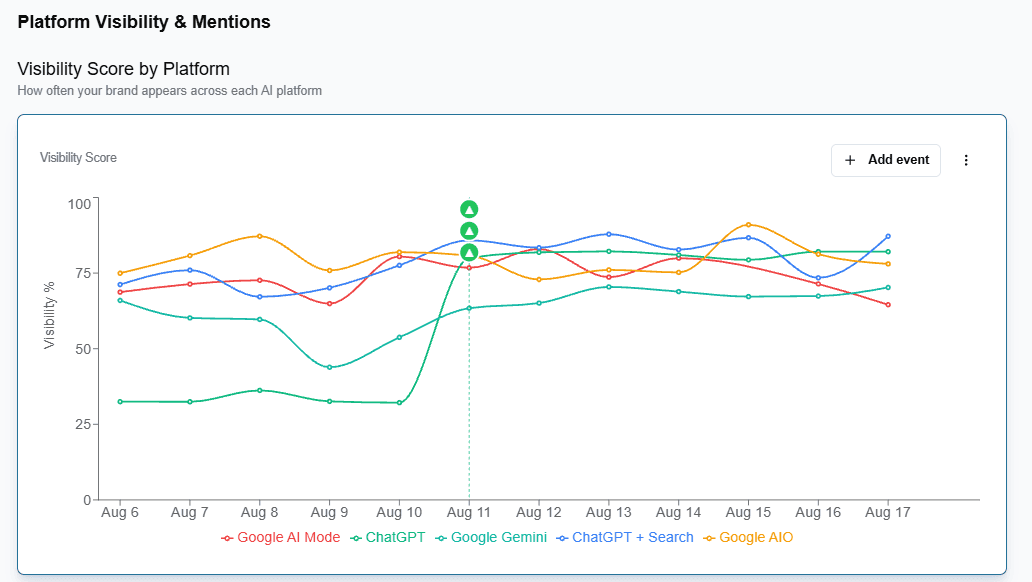
We've upgraded the models powering Xofu, moving from GPT-5.4 to GPT-5.6 and from Gemini 2.6 to Gemini 3.6.
A Substantially Improved Sentiment Dashboard
The Sentiment Dashboard has received a round of substantial improvements:
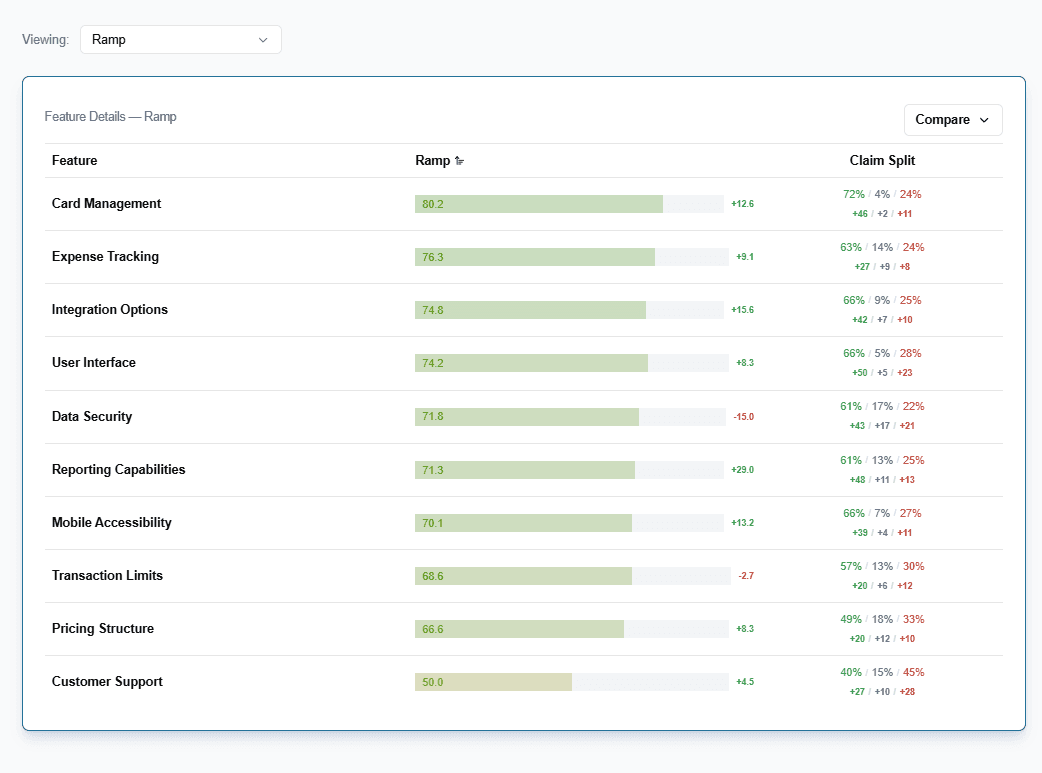
- Score deltas are now more accurate and consistent across every chart and table, and we refactored the By Feature view for clearer analysis.
- You can now see category-wide sentiment score changes, making it easy to compare your brand against broader category trends.
- The Features Bar Chart and table are merged into a single view, where you can compare multiple brands and competitors over time.
- The Competitors tab now includes an on/off toggle to show changes.
- Score Change values now reflect the data currently displayed rather than the diff from the previous run.
- Modals now use brand colors to make popups easier to read and interpret.
Faster Citations Pages
The Citations page and all of its subtabs now load significantly faster.
Bug Fixes
Finally, we knocked out a round of bugs, including misleading time-series values, CSV export loading issues on large projects, and duplicated prompts when generating many prompts from the same URL.
Thank you for your continued feedback and support!

The XOFU Team
Xofu is an AI visibility platform built around the prompts buyers use when they compare options and build a shortlist. It tracks how brands show up across ChatGPT, Google AIO, AI Mode, Gemini, and other assistants.
The platform helps teams see where they’re recommended, where competitors have the edge, and where visibility gaps impact revenue. This makes it easier to spot what’s working, what’s missing, and where to improve.